

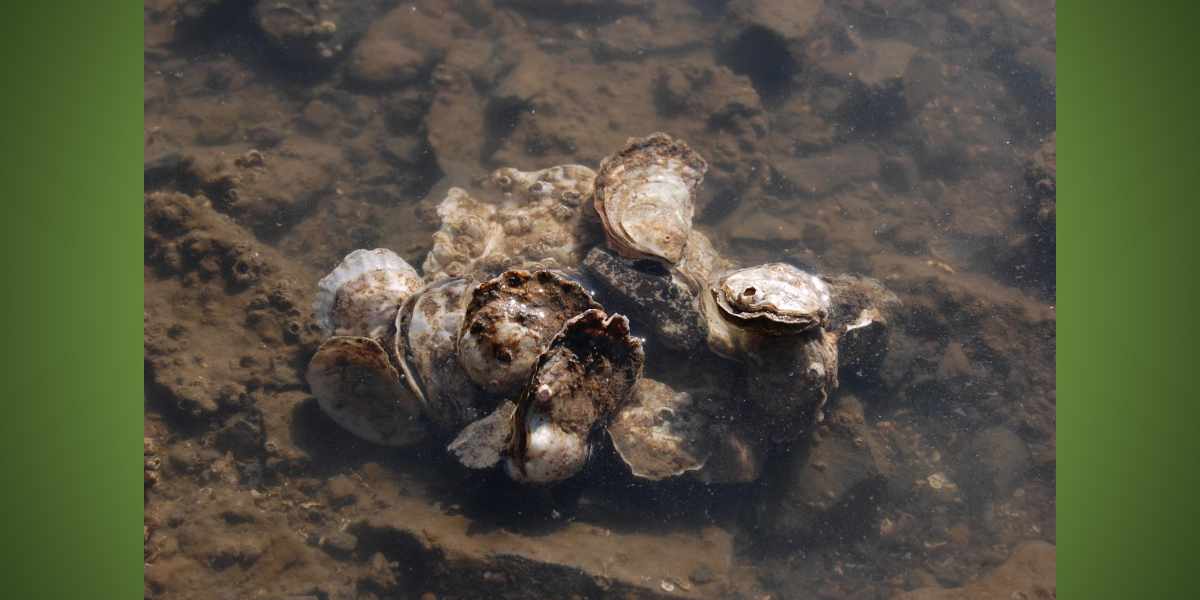
By Greg Rehmke
The Olympia Historical Society reports on the “Cultural History of the Olympia Oyster”:
“For millennia, the native people of Puget Sound relied on the Olympia Oyster as a key part of their food supply. Its abundance in South Sound gave the Squaxin people a valuable asset to share and trade with their neighbors and allies throughout the region.
“When American settlers arrived on Puget Sound in the mid-1800s, they also depended on shellfish as a staple food. Very early on, Olympia Oysters became an export product, allowing the development of one of Washington’s most enduring industries.”
I wondered if Olympia oyster beds could be restored to Burien and Des Moines coastal waters. I’m living now at Whaler’s Village just south of the Des Moines Marina. Our waters here are a bit murky. Could restoring commercial or recreational oyster beds clear the waters and offer harvests of mineral-rich and protein dense oysters?
Google’s AI Overview, (referencing Salish Sea’s currents magazine, answers, Return of a native: Olympia oysters are making a comeback (February 20, 2019):
Not only can they be reintroduced, but they already are being actively brought back. Washington’s only native oyster has been the focus of massive, multi-decade restoration projects by environmental groups, local tribes, and government agencies to rebuild populations across Puget Sound.
Smaller than the large and fast-growing commercial Pacific oyster, indigenous Olympia oysters:
…generally live lower in the intertidal than Pacifics, making them less visible to the casual observer.
Prior to European settlement, dense assemblages of Olympia oysters covered as many as 20,000 acres, or 26.7% of Puget Sound’s intertidal zone, according to the Washington Department of Fish and Wildlife. Today they occupy about 5% of their original range, prompting a slew of state and federally-funded restoration efforts focusing on places like Fidalgo Bay.
“Fidalgo Bay is one of the state’s 19 priority sites for Olys in Puget Sound” notes the article. Maybe Des Moines and Burien could be site 20?
I discuss the amazing environmental and nutritional benefits of oysters in Oysters, Shrimp, Clams, Mussels, Scallops, a recent Normal Nutrition post:
Oyster gathering (and aquaculture) is agriculture and, along with shrimp, clams, mussels, scallops, and lobsters, provide mineral-rich and protein-dense food essential for today’s overfed yet malnourished and metabolically unhealthy Americans. (“Only 12 percent of American adults are metabolically healthy...”)
Coastal fish farms (aquaculture) are blamed for water pollution and endangering wild fisheries. But oysters, scallops, clams, and mussels filter nutrients from waters polluted by fish farms and agricultural runoff. These filter-feeders convert excess nutrients into tasty mineral-rich protein.
America’s early history was thick with oysters. Trillions of them. From New York City and the Hudson river, across America’s eastern, southern, and western coasts, oysters thrived. And they could again with modest coastal policy reforms. Consider this recent Florida success story: Turtle Bay reef restoration aims to reverse decades of damage (WINK, May 19, 2026):
A massive pile of oyster shells is being planted into the water to create an oyster reef, with each oyster filtering about 50 gallons of water a day.
Out on the water, restoration has a rhythm. Scoop, lift, dump, then wait for nature to take it from there.
A closer look reveals what happens once these recycled oyster shells settle in. Jimmy Michaels with Coastal Conservation Association says they become prime real estate for marine life.This 2025 video provides ecological background and notes the strong objections by environmental organizations (who feared the project was just oyster shell “dumping”):



More: “Plan for Rebuilding Olympia Oyster (Ostrea lurida) Populations in Puget Sound with a Historical and Contemporary Overview” https://restorationfund.org/wp-content/uploads/2019/02/olympia_oyster_restoration_plan_final.pdf
Olympia oysters are indeed Washington’s only native oyster species and play an important role in maintaining healthy marine ecosystems by filtering water, providing habitat for other species, and supporting biodiversity. Restoration efforts like from the Puget Sound Restoration Fund are helping rebuild important ecosystem services while connecting community members to the health of Puget Sound. As an educator working in the Highline Public school district as the aquaculture, fisheries and technology teach at PSSC with students in aquaculture and restoration projects, I’ve seen firsthand how oyster restoration creates meaningful opportunities for hands-on learning, stewardship, and workforce development.
Depending on the water quality, the shellfish may not be able to be consumed but they can indeed help filter the water and create oyster reefs for local organisms and help with was impact of shorelines.
Check out our instagram:
https://www.instagram.com/pssc_aft.program?igsh=MTU3YTg0ZzNtc3hzaQ%3D%3D&utm_source=qr
Not recommended to eat from your toilet!
https://wdfw.wa.gov/places-to-go/shellfish-beaches/260757