


There’s something quietly magical about stepping into a garden. Before anything grows, before a single seed is tucked into the soil, there’s a sense of possibility in the air — a feeling that this small patch of earth could become something beautiful.
Life often feels the same way.
We’re handed moments, seasons, and opportunities that invite us to begin again, to stretch, to root, to bloom.
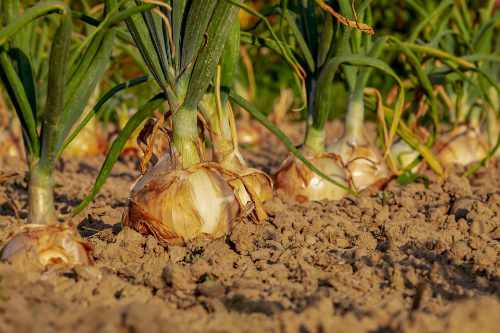
Imagine standing at the edge of your garden-to-be. The soil is cool and dark, waiting for your hands. Maybe you already know what you want to plant — tomatoes warm from the sun, herbs that release their scent with the slightest touch, flowers that open like little celebrations.
Or maybe you’re simply curious, ready to see what might happen if you give yourself permission to try.
That’s the quiet invitation gardening offers: start where you are, with what you have, and see what grows. As a WSU Extension Master Gardener, I’m personally inviting you to visit one of our demonstration gardens in 2026, Most of our demonstration gardens welcome visitors from April through November, though each site follows its own seasonal rhythm. It’s always wise to confirm current hours and details online before you head out. If you’d like to explore what’s growing in your own community, these King County Master Gardener demonstration gardens offer inspiration, education, and a chance to see sustainable gardening practices in action:
King County Master Gardener Demonstration Gardens
- Animal Acres Demonstration Garden: A peaceful neighborhood space showcasing sustainable practices and plants that thrive in our local climate.
- Bellevue Demonstration Garden: A vibrant teaching garden where visitors can explore vegetable beds, ornamentals, and hands‑on gardening techniques.
- Carkeek Park Demonstration Gardens: A collection of coastal‑inspired beds highlighting native plants and environmentally friendly gardening near Puget Sound.
- Cesar Chavez Demonstration Garden: A community‑centered garden celebrating food, culture, and accessible growing practices for all ages.
- Magnuson Children’s Garden: A whimsical, interactive space designed to spark curiosity and help young gardeners discover the joy of plants.
- Neely Soames Homestead Demonstration Garden: A historic riverside garden blending heritage plantings with modern sustainable gardening methods.
- Ronald McDonald House Outreach Garden: A healing, supportive space where families can enjoy fresh produce and the comfort of a living, growing landscape.
- Shorewood High School Culinary Arts Garden: A student‑driven garden where edible plants support culinary education and inspire future gardeners.
- Soos Creek Demonstration Garden: A serene, expansive garden featuring themed beds, native plants, and examples of water‑wise gardening.
- Thyme Patch Park Demonstration Garden: A charming pocket garden filled with herbs, pollinator plants, and ideas for small‑space gardening.
- Tribal Life Trail Demonstration Garden: A culturally rich garden honoring Indigenous plant knowledge and the traditional uses of native species.
- Vashon Demonstration Garden at Mukai Farm and Garden: A beautifully restored island garden blending history, community, and practical gardening inspiration.
You can learn more about each site — including locations, seasonal hours, and volunteer opportunities — at the King County Master Gardener demonstration gardens page:
https://extension.wsu.edu/king/mg-home/educational-outreach/many-demo-gardens

As you press seeds into the earth, you’re doing more than beginning a garden. You’re giving yourself a reason to step outside, breathe fresh air, and move your body in a way that feels grounding. You’re creating a space that asks nothing of you except presence — a few minutes of watering, a moment to check on new sprouts, a pause to appreciate how
much can change in a week.
And those early sprouts? They’re a reminder that growth doesn’t need to be rushed. Seedlings take their time. They lean toward the sun, strengthen slowly, and surprise you when you least expect it. There’s comfort in that rhythm. It’s a gentle nudge to be patient with yourself, too.
Of course, every garden has its challenges. Weeds appear, sometimes overnight, and you find yourself kneeling in the dirt, pulling them up one by one. But even this can feel strangely satisfying. Clearing space around your plants gives them room to breathe and thrive. It’s a small act of care that makes a big difference — and it mirrors the way we sometimes need to clear space in our own lives, letting go of what no longer supports us.
Then come the seasons. Spring’s excitement, summer’s abundance, autumn’s quiet harvest, winter’s rest. A garden teaches you to move with these cycles instead of against them. Some days are for planting, others for pruning, and some are simply for sitting back and enjoying what you’ve created. There’s no rush, no pressure, no perfect way to do it. Just the steady rhythm of tending and noticing.
And that’s the heart of gardening — not perfection, but participation.
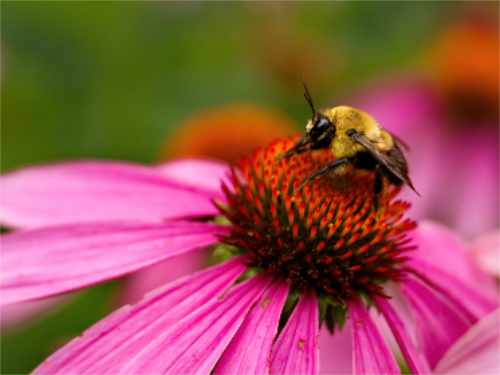
When you plan your garden, you’re really planning moments of joy for your future self. The scent of basil on your fingers. The first ripe strawberry. The sound of bees drifting lazily from bloom to bloom. The satisfaction of a meal made with something you grew. These small pleasures add up, reminding you that life’s beauty often comes from the simplest places.
So consider this your invitation. Step outside. Feel the sun on your shoulders. Turn over a patch of soil and imagine what it could become. Whether you plant a single pot on a balcony or transform your whole backyard, you’re creating more than a garden — you’re creating space for yourself to breathe, to move, to hope, and to enjoy the world a little more.
Gardening doesn’t demand expertise. It asks only for curiosity, a bit of patience, and a willingness to get your hands dirty. And in return, it offers fresh air, gentle exercise, a sense of accomplishment, and the quiet joy of watching something grow because you cared for it.
This season, let your garden — whatever shape it takes — be a reminder that life is full of beginnings. All you have to do is plant the first seed.
PHOTO CREDITS: Couleur/Onions – Bee-Flower/Pixaby and Couleur/Carrots
Marie Kurka-Brown is a WSU Extension Master Gardener and Board Member of the Master Gardener Foundation of King County. To learn more about our mission, programs, or ways to get involved, visit www.MGFKC.org.