

By Marie Kurka-Brown
WSU Extension Master Gardener Class of 2020
I’m not sure if this is unique to me or if it applies to you: my gardening is ever evolving.
When I visit my favorite nursery, I want one of everything and two of some. I’ve trained myself to go in with a list, however, when I walk past a new plant, I’m pretty sure I heard it ask if it could come home with me. Not in a creepy way, but in a way that might just even out that corner I’ve been working on.
I love Native plants, and what I’ve learned has more to do with their biodiversity. To begin with, they know their region — or maybe call it their neighborhood. What I’ve learned is that if we plant Native trees, then the birds come home. If we plant more Native plants, then the beneficial insects return, which feed the birds. Apparently, Mother Nature had all this planned out long before I did. Her plan falls under biodiversity, which I find fascinating.
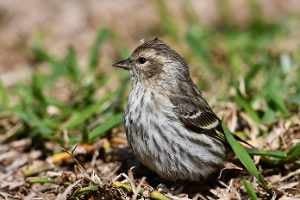
I recently learned while taking the tour at Tribal Life Trail Demonstration Garden in Maple Valley, WA, that there is only one tree the Pine Siskin (a small songbird) depends upon in the Pacific Northwest: the Douglas fir (Pseudotsuga menziesii). Pine Siskins rely on this tree for winter food sources such as seeds and insects found in its needles and cones, according to the Washington Department of Fish and Wildlife. And that, my friends, is a pretty important issue for the Pine Siskin bird family.
Growing Native plants also helps with water conservation, not because they’re magical, but because they’ve spent generations adapting to our Northwest rhythms. They know our long, gray winters, our spring surprises, and our Dog Days of Summer. Once established, many Native plants need far less watering than ornamentals because their root systems are designed for exactly this climate. Those roots grow deep, wide, and steady, anchoring soil during heavy rains and holding tight during dry spells. When the skies open up (and they always do), Native roots act like nature’s rebar, keeping soil in place and reducing erosion. When summer heat arrives, those same roots help the plant conserve moisture and stay resilient. It’s a quiet partnership, one that works whether we’re paying attention or not.
One of the most joyful surprises in my own garden has been watching how quickly the pollinators return when Native plants take center stage. Mason bees, bumble bees, and even the occasional butterfly seem to know exactly where the Native blooms are. These plants offer nectar and pollen at the right time of year, in the right shape, and in the right quantity. Even our hummingbirds benefit from Native shrubs that provide shelter and insects. When you plant Native plants, you’re not just adding beauty; you’re rebuilding a food web that has been quietly waiting for its home to return.
Back in Omaha, NE, the farmers had a saying: “Don’t like the weather, wait five minutes and it’ll change.” And there is truth in that! However, after moving to the Pacific Northwest, I’m leaning toward the idea that Mother Nature uses that quote worldwide and not just with Nebraska farmers.
Native plants also shine when the weather gets dramatic, and lately, it often does. Atmospheric rivers, summer droughts, unexpected heat waves, and cold snaps all test our gardens. Native plants have lived through these patterns for generations. Their roots, leaves, and growth cycles are built for Northwest unpredictability. They know how to slow down during drought, how to withstand heavy rains, and how to bounce back after a cold spell. In a changing climate, they are some of the most reliable partners a gardener can choose.
What about composting? One of the benefits of composting is that it acts as a sponge for Mother Nature. It reduces soil erosion and even helps filter stormwater. That’s a major benefit for most of us. Composting also improves your soil’s overall health and can reduce your carbon footprint by reducing garbage bags. The bottom line is that composting keeps your garden healthy. Now that’s pretty impressive.
Mother Nature is our friend, and she was here first. She deserves better than what some have thrown at her. I thinking, I can do a better job myself. As Master Gardeners, we each bring something different to the table — but together, we make the Northwest a little healthier, a little greener, and a little more hopeful. I’m a strong believer in reforestation and protecting the environment. What do you believe in?
For more information on WSU’s Green School, please click below:
https://extension.wsu.edu/king/mg-home
PHOTO CREDITS:
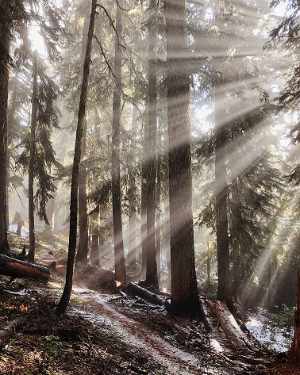
PNW Douglas Fir Tree: Casara Butler
Pine Siskin Bird: Brian Forsyth