

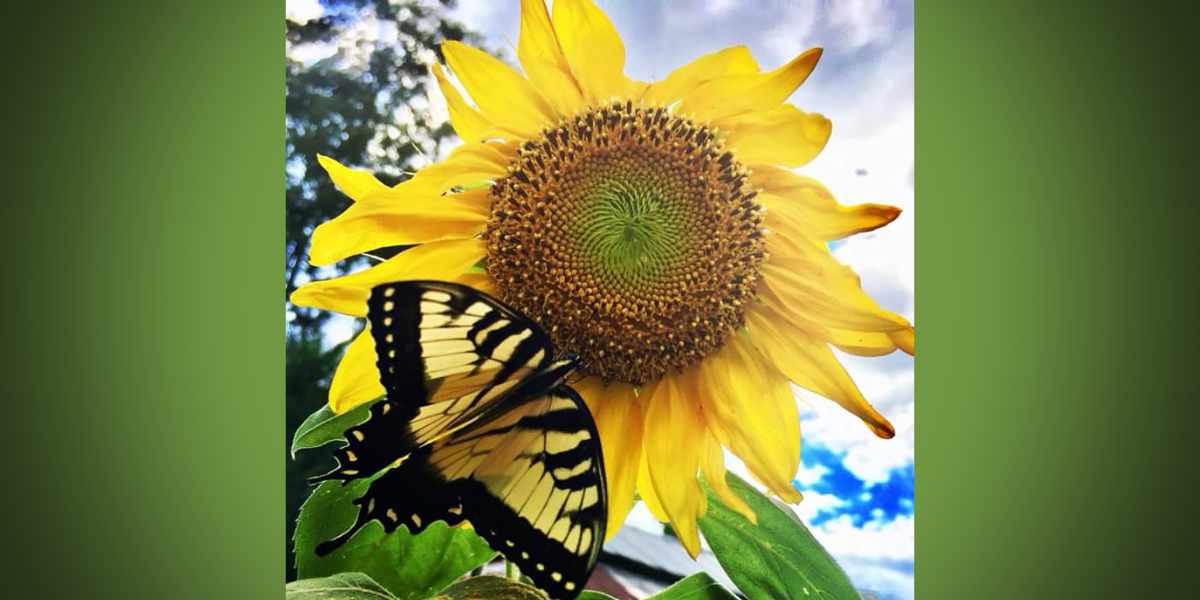
As a young child, I would garden with my father, and our conversations always revolved around “The Art of Living” as he called it. Creating a destination where you want to stay and spend quality time. Something beautiful and full of wonder. A place to be safe and heal from all that has hurt you. And I’m not sure if I took my father’s advice or if gardening was always to be my beautiful, safe place.
As I’ve grown older, I’ve realized that “The Art of Living” wasn’t just about beauty; it was about responsibility. The places we tend become the places that sustain us. Pollinators taught me that first: tiny, tireless workers who ask for so little yet give us so much. And now, as fresh water becomes more fragile in a changing climate, I’m learning the same lesson again. Every drop, every bloom, every living thing in our gardens is connected.
This year, as WSU Extension Master Gardeners, we’re being asked to lift up both stories, the pollinators who keep our world fed and the clean water that keeps our world alive. To me, they’re not separate priorities. They’re two halves of the same promise: that tending to a garden is also tending for our future.
When I hit the pause button for a moment and give thought, it really isn’t that difficult to carefully care for the pollinators who spend their life living their life with just one purpose. And their purpose is to pollinate the plants that feed the world. Pretty cool when on pause for a moment and think about it.
All honeybees pass through only four stages in life which consist of egg, larva, pupa and adult. This is referred to as metamorphosis. And it takes 16 days for queens to mature and 21 days for worker bees and 24 days for drones. What I find interesting about queen bees include the fact that they mature faster than other bees. The worker bees are female and generally sterile. While the drone bees are male bees with just one thing on their mind … find the queen and mate to ensure the genetics of the hive. The workers can survive anywhere from six weeks up to six months and the queen bee can survive 2-3 years.
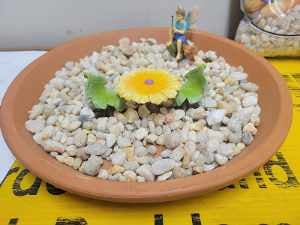
Something fun for the young at heart is to create a pollinator spa or watering hole. It’s easy to do and can be created with what you have at home. You need a bowl that isn’t too deep for water. Then add some small, clean rocks or marbles for the pollinators to land on for their drink. This will help them keep their wings dry.
Photo Credits: Pexel for Butterfly/Sunflower and Marie Brown for Pollinator Watering Hole visual
Marie Kurka-Brown is a WSU Extension Master Gardener and Board Member of the Master Gardener Foundation of King County. To learn more about our mission, programs, or ways to get involved, visit www.MGFKC.org.