


I used to dread fall, the October clean-up, the fading blooms, the way everything suddenly looked empty. A far cry from the fullness and color of summer. The garden goes quiet, and for a moment it feels like a loss.
But over the years, I’ve learned that fall isn’t an ending at all. It’s the beginning of next season’s story. These next couple of months are when I roll up my sleeves, get a little dirty, and prepare the soil for what’s coming. Fall is one of the best times to give back; to return the nutrients my garden used all season long.
This is when I send my soil sample to my local Extension office, find out what my garden needs, and start replenishing the soul of the soil. It’s simple, grounding work. Time to dig in.
By the time I’ve reached fall, my garden has already lived a full, generous season. Every tomato, every sunflower, every handful of peas I picked came from nutrients quietly rising through the soil. It’s easy to forget that part, the hidden deficit beneath our feet. Summer abundance doesn’t just appear; it draws from the soil’s pantry, and by October, that pantry is often running low.
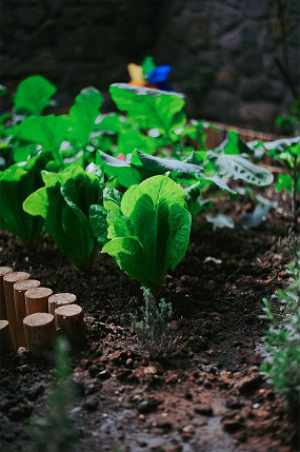
I don’t always see nutrient depletion. It doesn’t announce itself. It shows up in softer ways: a plant that didn’t bloom quite as boldly, a patch of soil that feels a little tired, a corner of the garden that didn’t have the same spark it had the year before. Soil isn’t exactly a living creature, yet it behaves like one in all the ways that matter. It breathes, it changes, it responds to how we treat it. And just like our pets who rely on us for regular meals, our soil relies on us to replenish what the garden used all season long.
Fall is when I give back. It’s when I return the nutrients that fed my garden through the heat of July and the abundance of August. A layer of compost, a cover crop, a blanket of leaves, these are small gestures, but they restore the soul of the garden. They refill what summer quietly emptied.
Once my soil test comes back, I know exactly what my garden used this season; nitrogen pulled into tomatoes, phosphorus feeding roots, potassium supporting blooms. The report tells me what’s missing, and fall is when I decide how to give it back. And one of the simplest, most powerful ways to restore the soil is to plant a cover crop.
Cover crops aren’t just for big farms. They’re quiet helpers in home gardens too. They rebuild organic matter, return nutrients, and protect the soil from the elements. In some parts of Eastern Washington, where the land stretches flat like prairie and the winds howl across open fields, cover crops are essential. They hold the soil in place, preventing erosion that can sweep away the very foundation of next year’s garden.
Even in my own garden, I’ve seen what a difference they make. Last year I planted Crimson Clover for the first time. By spring, the soil was darker, richer, and full of life, the kind of soil that makes you stop and breathe in that deep, organic scent gardeners know by heart. Worms returned. The structure has improved. The hidden deficit was restored.
This year, I’ll plant a different cover crop, partly because I love trying new things, and partly because each one brings its own gifts to the soil. It’s one of the simplest ways to give back after a long growing season.
And to keep things simple for everyone, we have an email Clinic that can help answer your gardening questions year-round. Just send your question to askamastergardener@kingmg.org. Include as much detail as you would if you were talking with us in person, your location, recent weather, watering habits, photos, and anything you’ve noticed.
No matter what’s happening in your garden this fall, remember that you’re never doing it alone. Master Gardeners are here year-round to help you learn, troubleshoot, and grow with confidence.
If you’re outside King County or want to learn more about the Master Gardener Program statewide, you can find additional resources at WSU Extension:
https://extension.wsu.edu/
Photo Credits:
- Tamara Elnova – Pexels
- Daka – Pexels